A Practical Guide to International Trade for Indian Exporters
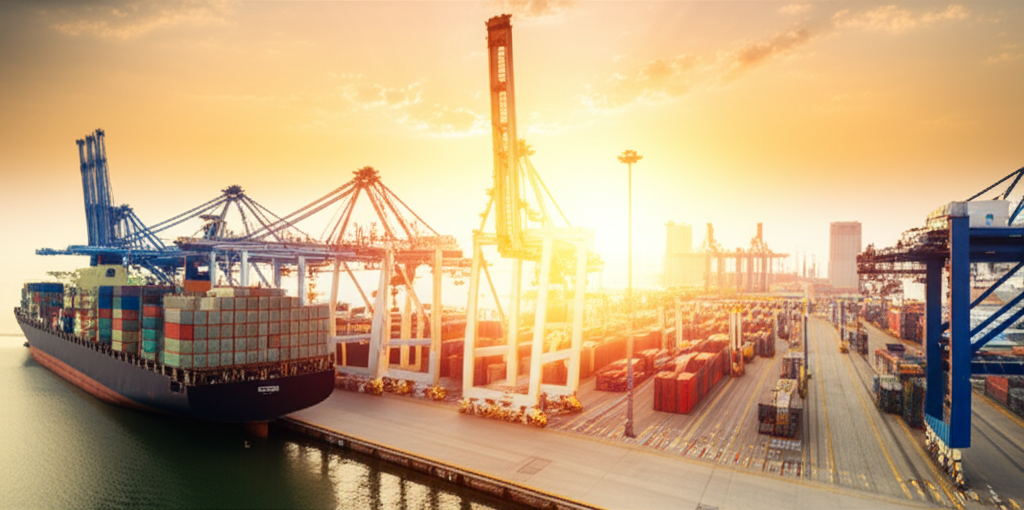
The world of international trade is a landscape of immense opportunity, but it is also fraught with complexities. For Indian businesses looking to expand globally, understanding and navigating these challenges is the key to unlocking sustainable success. This guide provides a practical overview of the critical areas every Indian exporter must master.
1. Mastering Regulatory Compliance & Documentation
This is the most critical step. A single mistake can result in costly delays, fines, or even the seizure of goods.
- HS Codes: Ensure every product is classified with the correct Harmonized System (HS) code. This determines your import duties and taxes.
- DGFT Compliance: Stay updated with the policies from the Directorate General of Foreign Trade (DGFT) in India.
- Essential Documents: Prepare a flawless documentation package, including the Commercial Invoice, Packing List, Bill of Lading (or Airway Bill), and Certificate of Origin. Some buyers may also require inspection certificates.
2. Strategic Logistics and Supply Chain Management
Your supply chain is the backbone of your export operation. It's about more than just shipping; it's about efficiency and reliability.
- Choosing Incoterms: Clearly define responsibilities between you and the buyer by choosing the right Incoterms (e.g., FOB, CIF, EXW). This determines who pays for and manages the shipment, insurance, and customs.
- Freight Forwarders: Select a reliable freight forwarder with a strong network in your target country. They are your partners in navigating customs and ensuring smooth transit.
- Insurance: Always secure adequate cargo insurance. Don't leave your valuable shipment unprotected against unforeseen events.
3. Managing Financial Risk & Payments
Ensuring timely payments and managing currency fluctuations are paramount to profitability.
- Payment Methods: Understand the risk levels of different payment methods. A Letter of Credit (LC) offers high security, while an open account is riskier but may be necessary for trusted, long-term partners.
- Foreign Exchange (Forex) Risk: The value of the Indian Rupee (INR) against the US Dollar (USD) or Euro (EUR) can fluctuate. Use financial instruments like forward contracts to lock in an exchange rate and protect your profit margins.
Mastering these domains is not just about avoiding pitfalls; it's about building a resilient, efficient, and thriving global business that can confidently compete on the world stage.